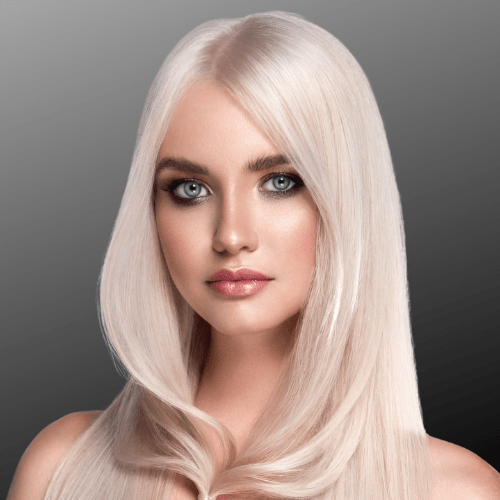
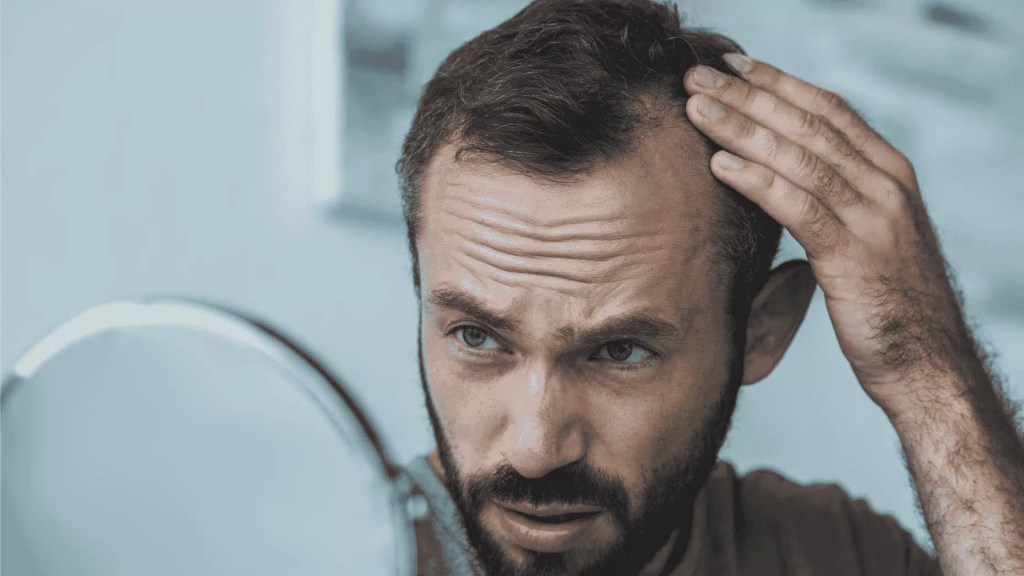
Alopecia is a condition that affects many people worldwide, leading to hair loss that can feel difficult to manage.
It’s natural to feel uncertain or even overwhelmed when dealing with hair loss, but it’s important to remember that while alopecia can be challenging, it doesn’t need to define you.
So, How Do You Manage Alopecia Effectively?
With the right knowledge and approach, individuals with alopecia can continue living full, vibrant lives.
In this post, we will cover 9 crucial things you need to know about alopecia, focusing on how to manage the condition, explore solutions, and embrace life with confidence.
On This Page:
1. Understanding the Types of Alopecia
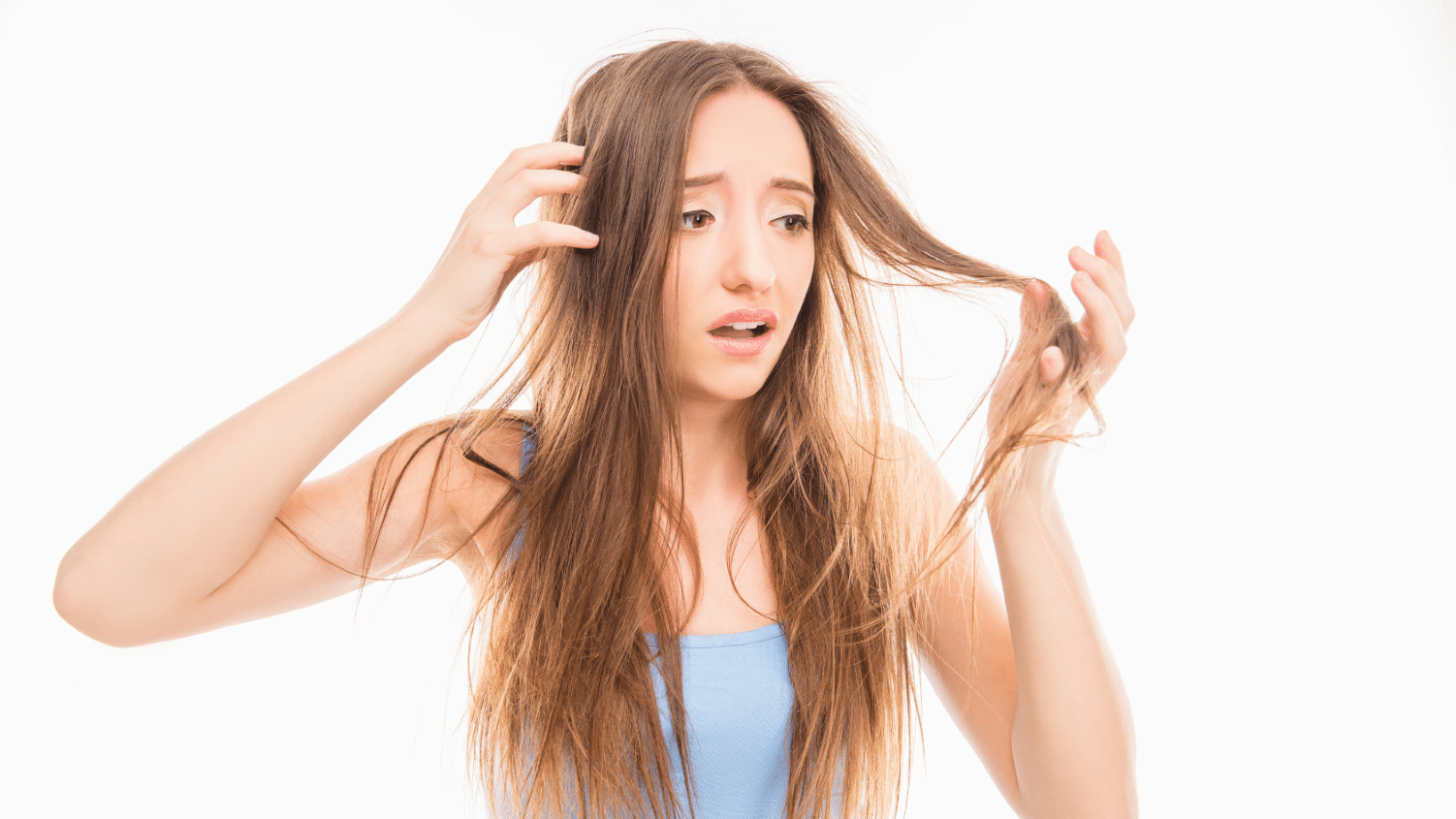
Alopecia is not just a single condition—it’s a term used to describe various types of hair loss.
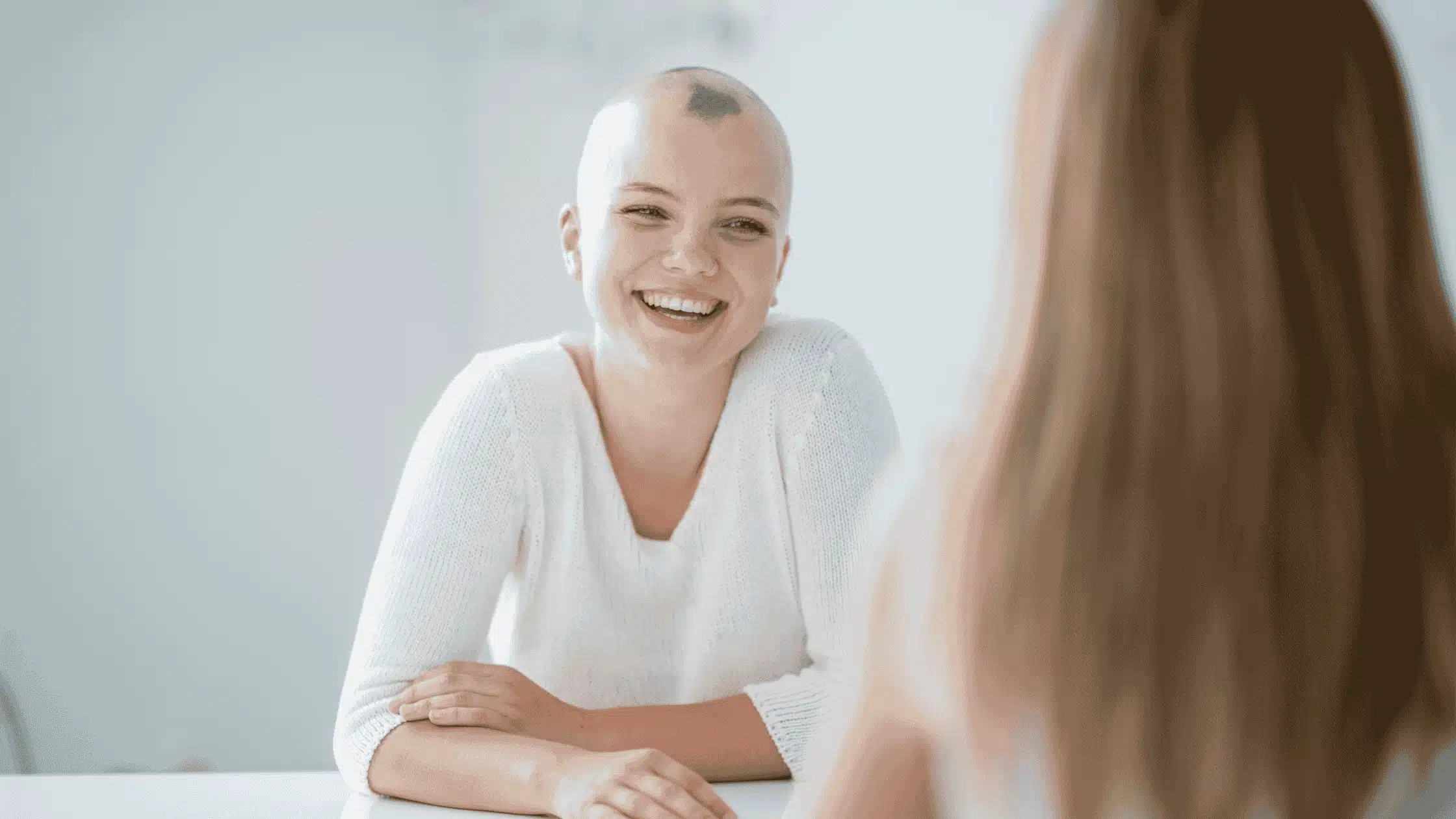
The most common form is alopecia areata, which typically causes round patches of hair loss on the scalp or other areas of the body.
For some people, alopecia may progress to alopecia totalis, resulting in the complete loss of hair on the scalp, or alopecia universalis, where all body hair, including eyebrows and eyelashes, is lost.
Alopecia Areata: Signs, Causes, Treatment | Road to Recovery
Video courtesy of William Gaunitz Trichologist – Hair Loss Expert
Each type of alopecia behaves differently, and understanding which type you have is key to navigating the condition.
While some forms of alopecia, like alopecia areata, may see periods of regrowth, others may result in permanent hair loss.
Knowing the specifics of your condition can guide you in making informed decisions about treatments and managing your expectations for hair regrowth.
2. Alopecia is Not a Reflection of Your Health

It’s important to recognize that alopecia is an autoimmune disorder, meaning it occurs when your immune system mistakenly attacks hair follicles, causing hair to fall out.
This process has nothing to do with your overall health, hygiene, or lifestyle choices.
Alopecia can affect individuals of all ages and backgrounds, and the presence of hair loss doesn’t signify any underlying health issue.
In many cases, people with alopecia are otherwise perfectly healthy.
It’s a reminder that hair loss doesn’t define a person’s well-being or physical condition.
So, if you’re experiencing alopecia, remember that your hair doesn’t determine your health.
Advertisment
3. Hair Regrowth Can Happen—But It’s Unpredictable
One of the most confusing aspects of alopecia is the uncertainty around hair regrowth.
While some people may experience spontaneous regrowth, others may not.
Alopecia areata, for example, is known for its unpredictable nature; some people see their hair grow back within a few months, while others may face repeated cycles of hair loss and regrowth.
Unfortunately, there is no guaranteed timeline for hair to return.
If you’re dealing with hair loss from alopecia, it’s essential to stay hopeful and patient.
In some cases, hair may return, but it’s crucial to manage your expectations and understand that regrowth can be slow and sporadic.
For those who don’t experience regrowth, there are plenty of options to help you maintain your confidence and feel comfortable in your skin.
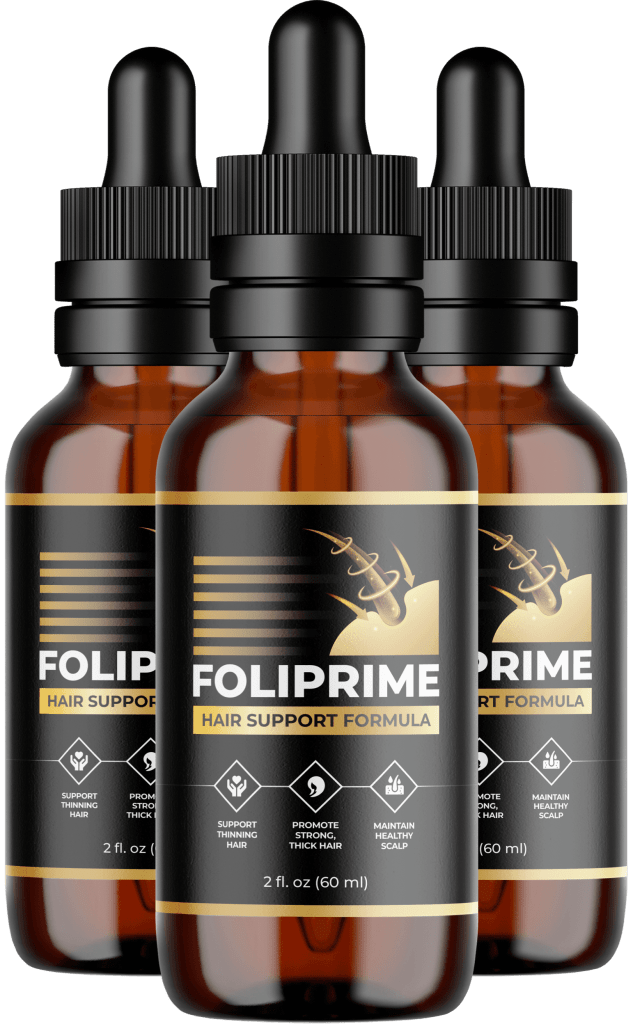
Thinning Hair?

Hair thinning or hair loss is one of the most common changes women experience during menopause.
The reduction in estrogen means that hair follicles may enter the shedding phase sooner than usual, while others may shrink, reducing the amount of hair that grows.
For many women, this can be a significant source of frustration.
Hair thinning can occur gradually, so it’s important to be vigilant and identify any changes early on.
If you notice more hair on your pillow or in your brush, it may be a sign that your hair is thinning due to hormonal changes.
4. There Are Treatments to Manage Alopecia
While alopecia has no definitive cure, several treatments can help slow down hair loss or encourage regrowth.
The most common treatment for alopecia areata is the use of corticosteroid creams or injections, which can reduce inflammation and potentially trigger hair regrowth.
Minoxidil, a topical treatment, is often used to help promote hair growth and is available over the counter.
For more severe cases, oral medications, such as JAK inhibitors, have been shown to be effective in treating alopecia by targeting immune system activity.
Light therapy (also called phototherapy) can also stimulate hair follicles, providing another treatment option for some individuals.
It’s important to work with your doctor or dermatologist to find the right treatment for your specific type of alopecia.
While no treatment can guarantee full regrowth, there are options that may help you manage the condition effectively.
5. Wigs and Hairpieces Can Help Create a Natural Look

For those dealing with more extensive hair loss, wigs and hairpieces can be a game-changer.
Modern wigs come in a wide variety of styles, colours, and materials, allowing individuals to achieve a natural look that complements their style.
Whether you prefer synthetic wigs, which are easier to care for, or human hair wigs, which offer more styling versatility, there are options for every need and preference.
Custom wigs can be tailored to your exact measurements for a perfect fit and more natural appearance.
If you prefer a more temporary solution, clip-in hair extensions and halo wigs offer ways to add volume and fullness without a long-term commitment.
These alternatives allow you to regain your sense of normalcy and confidence, no matter how much hair loss you are experiencing.
Additionally, scalp micropigmentation or scalp tattoos are becoming popular alternatives for individuals with significant hair loss.
This technique creates the illusion of a shaved head or a fuller hairline and can be used to complement wigs or other hair solutions.
6. Your Appearance Doesn’t Define You
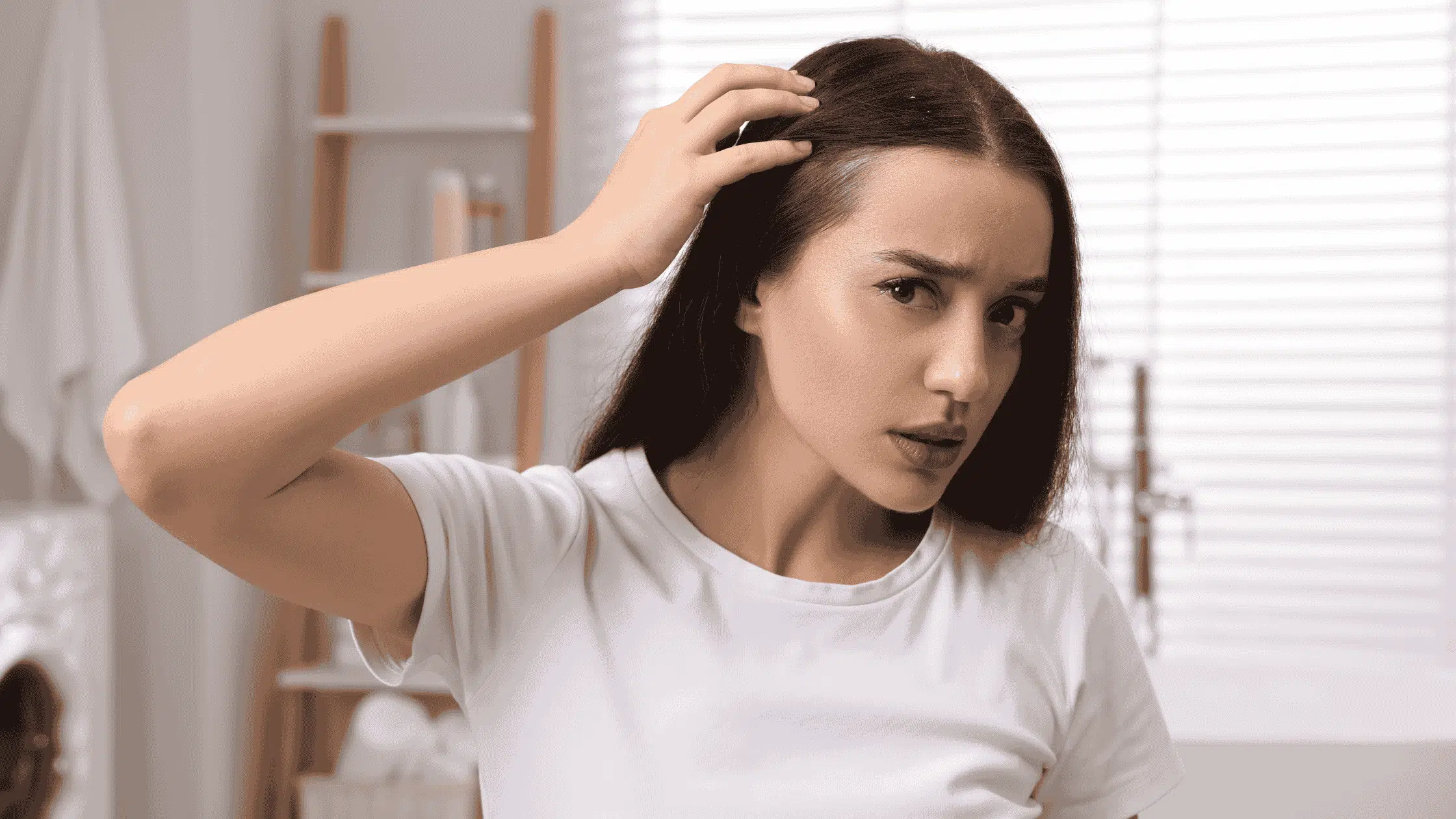
Hair is a significant part of self-image for many people, but it is not the only thing that makes you beautiful.
Alopecia can affect your confidence, but it’s essential to remember that beauty comes from within.
Embracing your appearance, no matter what your hair looks like, is a powerful way to boost your self-esteem.
If you’re struggling with hair loss, consider focusing on your strengths and the qualities that make you unique.
Whether it’s your smile, your personality, or your accomplishments, your beauty is not solely tied to your hair.
Many people with alopecia find that embracing their new look gives them a sense of empowerment, and they realize that they are still the same person they were before losing their hair.
7. Explore Non-Medical Solutions

In addition to medical treatments and wigs, there are many non-medical solutions that can help individuals with alopecia feel more confident.
For example, hair fibers can be sprinkled onto the scalp to create the appearance of thicker hair, especially in areas where hair is thinning.
Scalp concealers can also cover up any exposed areas of skin or scalp, allowing for a more uniform look.
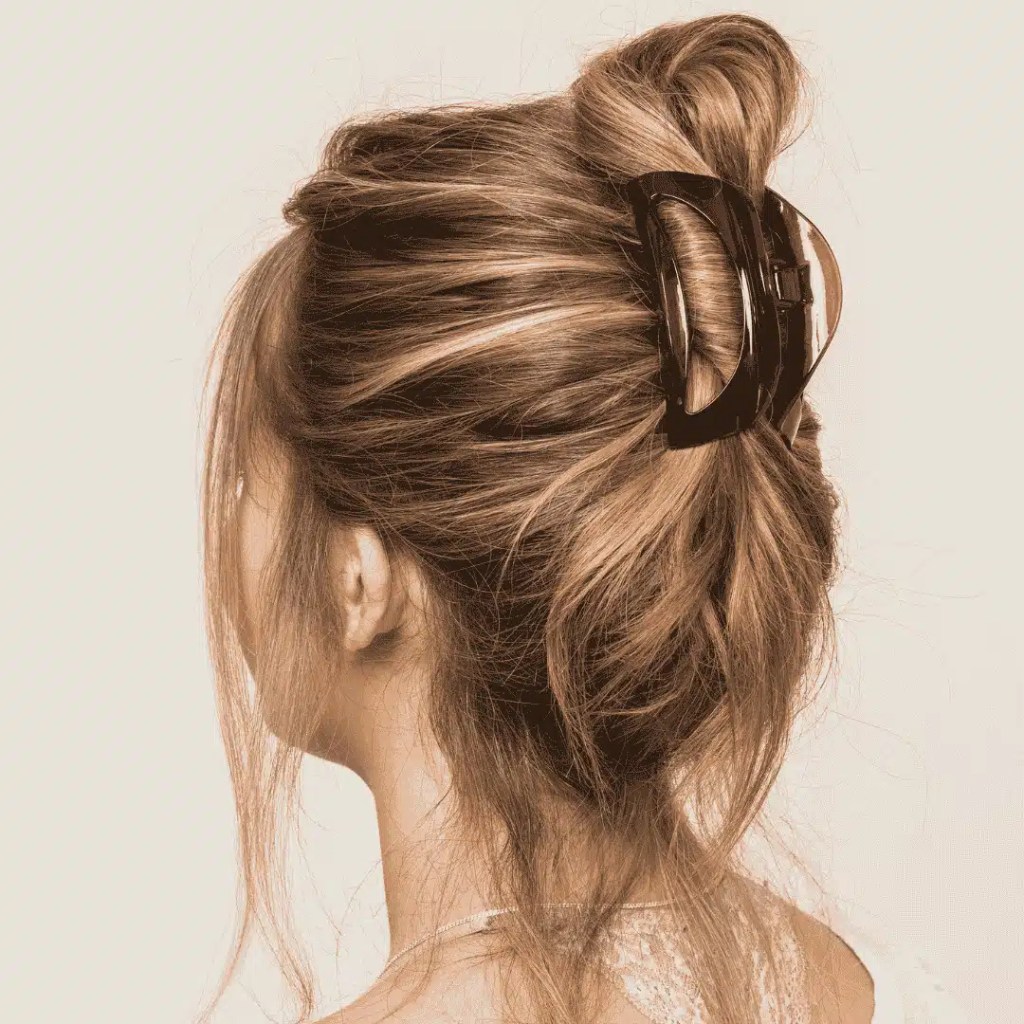
Another option is to experiment with different hairstyles that work with your existing hair.
If your hair is thinning, short styles may help create volume, while longer styles with layers can add depth and dimension.
There are also many cosmetic products available, such as volumizing sprays and hair mousse, which can help make the most of the hair you still have.
By working with what you have, you can find ways to enhance your natural beauty and keep your look fresh and vibrant.
Advertisment

8. Mental Health Support is Crucial
Dealing with alopecia is not just a physical challenge; it can also take an emotional toll.
Hair loss can cause feelings of frustration, sadness, and loss of control.
It’s important to take care of your mental health throughout your journey with alopecia.
Consider talking to a counselor or joining a support group for people with alopecia.
There are many online communities and local groups where individuals can share their experiences, offer advice, and provide encouragement.
Therapy or mindfulness practices like meditation can also help reduce anxiety and boost your mental well-being.
Remember, you are not alone.
Many people with alopecia have found strength in connecting with others who understand what they are going through, and this support can be essential in navigating the emotional aspects of the condition.
9. You Can Still Live a Full Life with Alopecia
Alopecia might change the way you look, but it doesn’t have to change the way you live.
Whether your hair regrows or not, you can still enjoy an active, fulfilling life.
People with alopecia continue to succeed in their careers, build meaningful relationships, and lead healthy, happy lives.
While it’s natural to have some challenges with your appearance, remember that alopecia doesn’t diminish your ability to enjoy life to the fullest.
With the right tools, treatments, and mindset, you can continue to feel confident and positive as you navigate your journey.
Conclusion
Alopecia doesn’t have to define who you are.
Whether you’re dealing with thinning hair or significant hair loss, there are many solutions available to help you manage the condition and maintain your confidence.
From wigs and treatments to mental health support and styling techniques, there are plenty of ways to enhance your appearance and embrace life with alopecia.
Most importantly, remember that your worth is not determined by your hair.
You are beautiful, strong, and capable, and no matter how your hair changes, you can still live a full, vibrant life.
Take the time to explore your options, connect with others who understand, and know that there is always hope for the future.