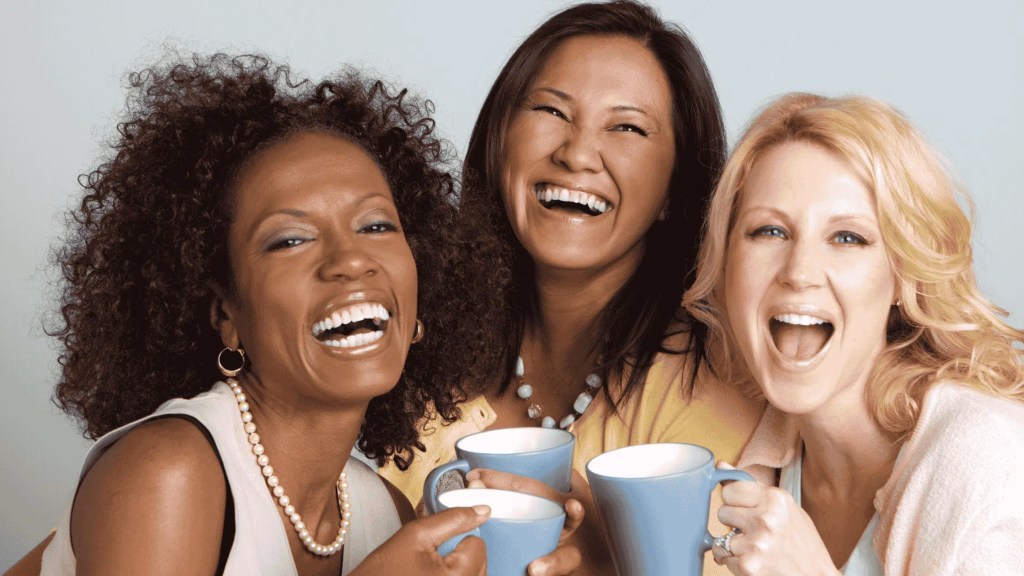
Menopause is a significant milestone for women over 45, marking the end of their reproductive years.
While many know that menopause can affect mood, sleep, and energy levels, one of the lesser-known impacts of this transition is its influence on hair health.
So, Is Menopause Taking a Toll on Your Hair?
As estrogen levels decline, it can alter the hair growth cycle, leading to several noticeable changes.
In this post, we’ll take a closer look at how menopause affects your hair, the causes behind it, and actionable tips on how to manage these changes effectively.
On This Page:
The Role of Hormones in Hair Health

As estrogen and progesterone levels drop during menopause, it disrupts the delicate balance of hormones that support hair growth.
According to Dr. Eva Proudman, a dermatologist with expertise in hair, “Estrogen plays a critical role in hair’s growth and thickness, and as its levels fall, many women start to notice thinning hair or increased shedding.”
This hormonal shift can cause hair to grow slower, thinner, and less full.
1. Thinning Hair and Hair Loss

Hair thinning or hair loss is one of the most common changes women experience during menopause.
The reduction in estrogen means that hair follicles may enter the shedding phase sooner than usual, while others may shrink, reducing the amount of hair that grows.
For many women, this can be a significant source of frustration.
Hair thinning can occur gradually, so it’s important to be vigilant and identify any changes early on.
If you notice more hair on your pillow or in your brush, it may be a sign that your hair is thinning due to hormonal changes.
2. Texture Changes: Drier, Coarser, and More Brittle Hair
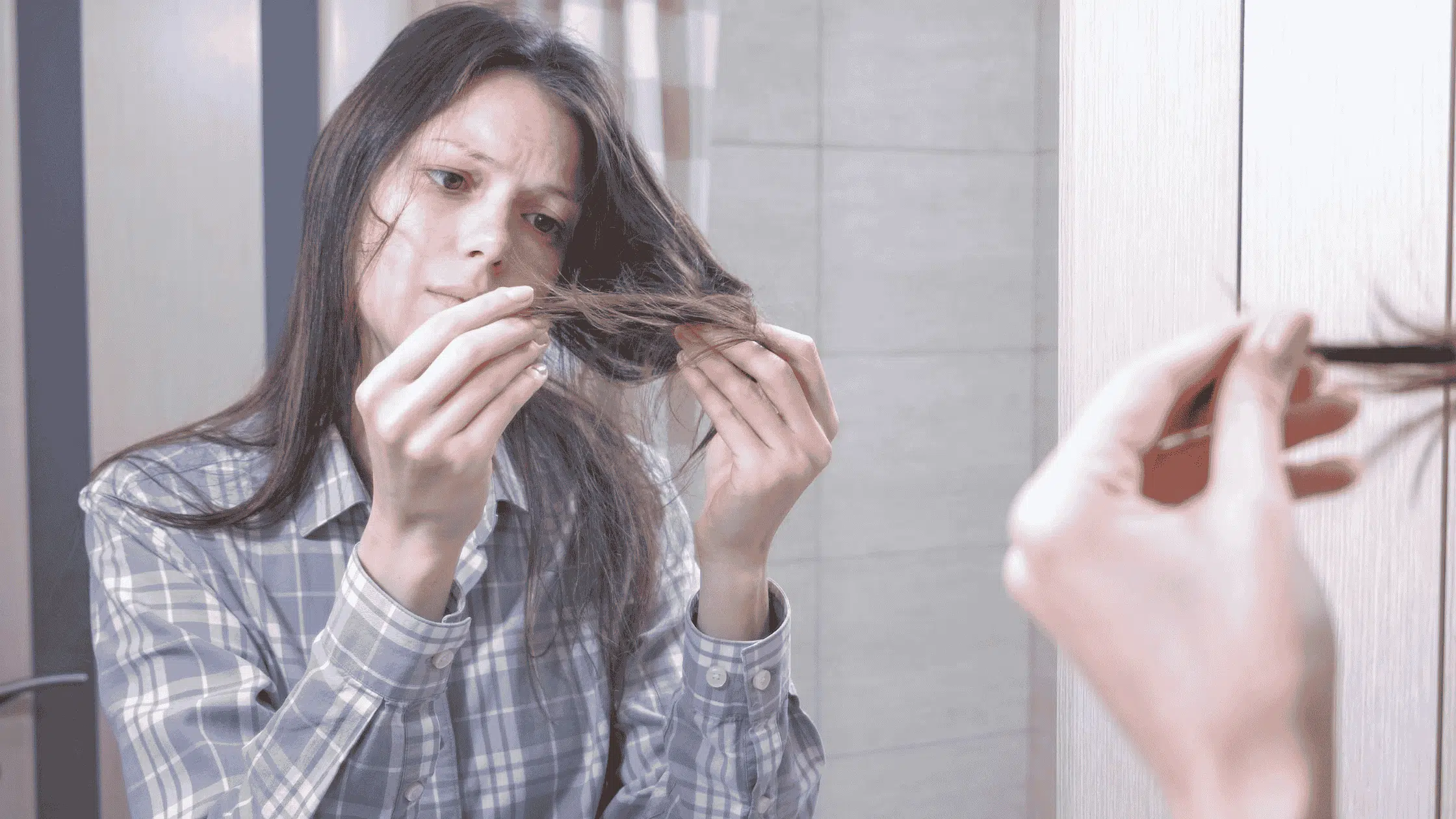
In addition to thinning, menopause can also alter the texture of your hair. Women often notice that their hair becomes drier, coarser, or more brittle.
This happens because, as estrogen declines, oil production in the scalp decreases as well.
Reduction in natural oils leads to a lack of moisture retention, making hair feel rougher and more prone to damage.
If you’re experiencing these changes, it’s time to rethink your hair care routine.
Gentle care and hydrating products become more important than ever to restore softness and manageability to your locks.
Getting Married Or Re-Newing Vows?
Video courtesy of Moon and Back Co.
3. Scalp Issues: Dandruff, Itching, and Dryness
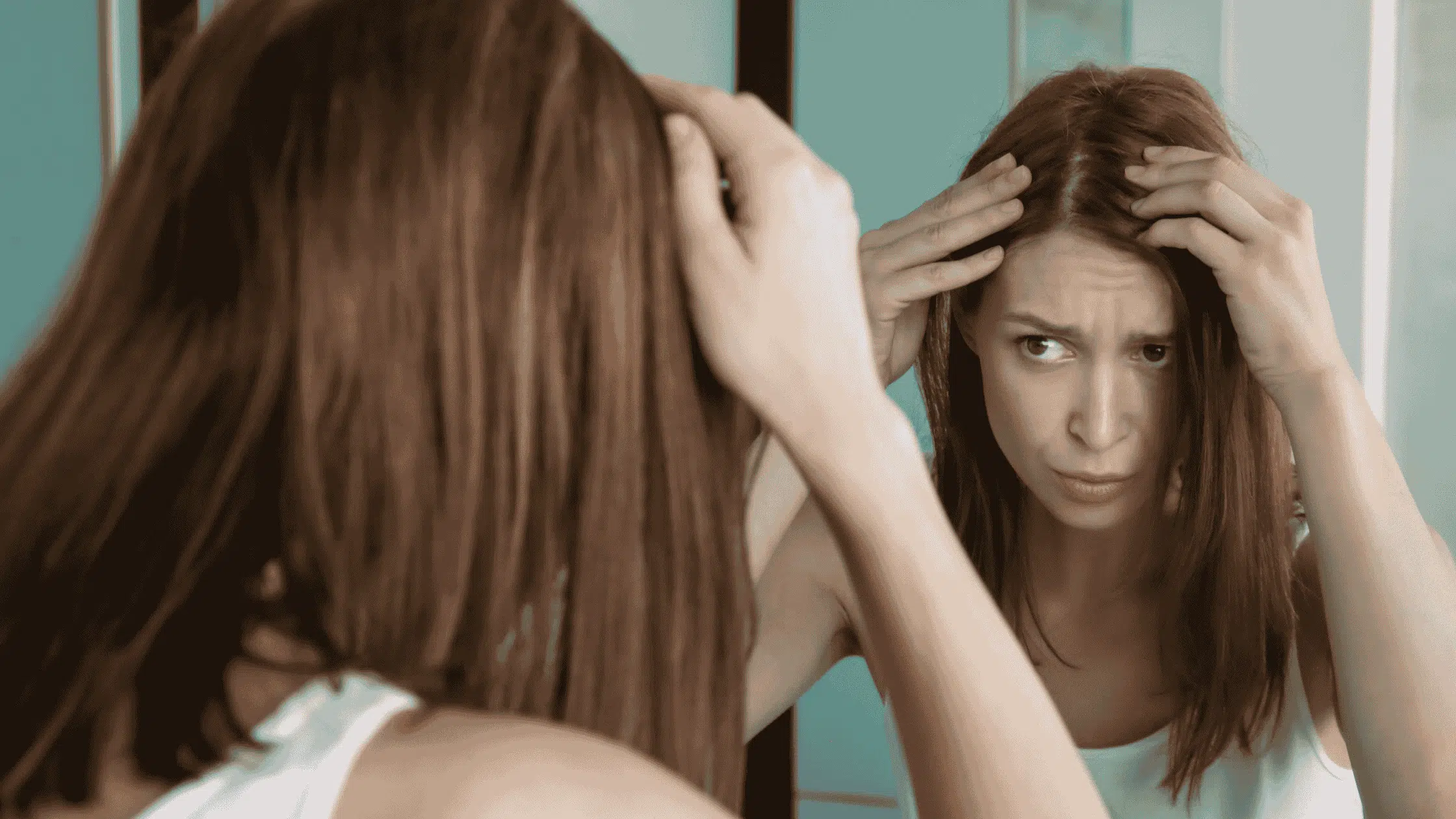
Another issue many women over 45 face during menopause is the development of scalp conditions such as dandruff, itching, and dryness.
Hormonal changes can lead to alterations in the scalp’s pH levels, disrupting the delicate balance of moisture and oils.
This can cause the scalp to become irritated, flaky, or inflamed.
When dealing with scalp issues, it’s essential to use products designed to soothe and hydrate your scalp, helping to maintain a healthy environment for hair growth.
4. Facial Hair Growth: An Unwanted Change
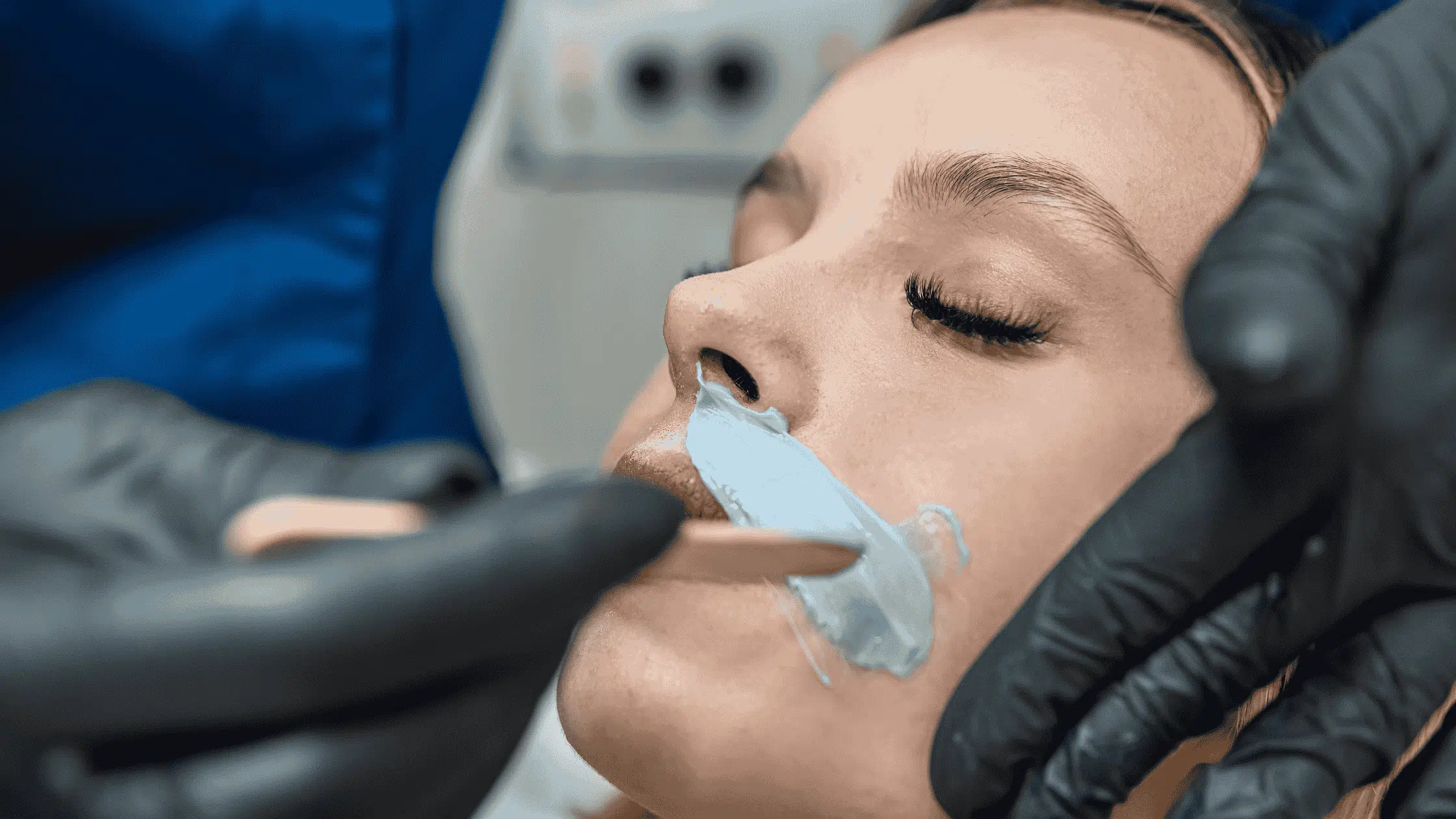
On the flip side, some women experience an increase in facial hair during menopause.
This can occur because, as estrogen levels decline, androgen hormones like testosterone may become more prominent.
Testosterone promotes the growth of facial hair, particularly in areas like the chin and upper lip.
While this change can feel frustrating, there are various methods available, from waxing and threading to laser hair removal, to manage unwanted facial hair.
Advertisment

How to Manage Menopausal Hair Changes

While these changes can be challenging, there are several steps you can take to maintain healthy hair during menopause.
Let’s look at some practical strategies that can help you manage your hair’s health effectively.
A Balanced Diet: Nourish Your Hair From Within
Eating a nutrient-dense diet is one of the most important steps you can take to support your hair during menopause.
Foods that are rich in vitamins and minerals such as vitamins A, C, E, biotin, and zinc can promote hair health.
Protein is also essential for maintaining hair growth, so make sure to include adequate sources of protein in your meals.
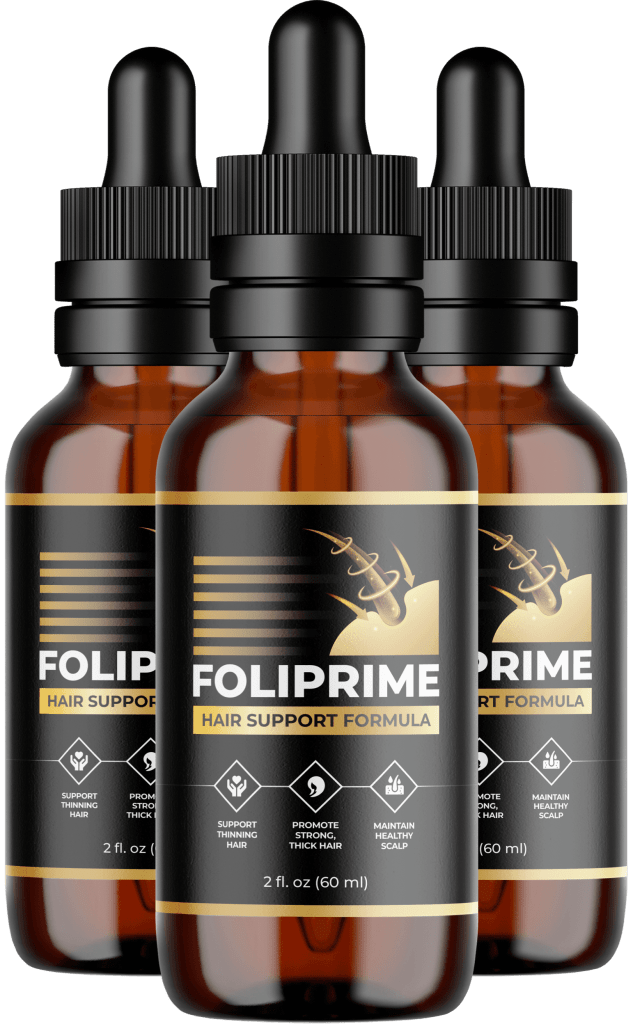
Shop Hair Growth Formulas HERE
Incorporate foods like salmon, walnuts, spinach, and berries into your diet for a boost in omega-3 fatty acids and antioxidants that nourish the scalp and encourage hair strength.
Advertisment

Stay Hydrated
Hydration is crucial for overall health, and it plays a key role in maintaining healthy hair.
Dehydration can lead to dry, brittle hair that is more prone to breakage.
To keep your hair looking its best, make sure to drink plenty of water throughout the day.
Additionally, consider using moisturizing hair care products designed to lock in moisture.
Look for shampoos and conditioners with ingredients like hyaluronic acid or glycerin to keep your hair hydrated and soft.
Advertisment
Choose Gentle Hair Care Products
During menopause, your hair is more susceptible to damage due to its increased dryness and brittleness.
To minimize further damage, switch to sulfate-free, gentle shampoos and conditioners that won’t strip away natural oils.
Opt for products that focus on nourishing and moisturizing your hair, and avoid harsh chemicals that could exacerbate hair texture changes.
During menopause, your hair is more susceptible to damage due to its increased dryness and brittleness.
To minimize further damage, switch to sulfate-free, gentle shampoos and conditioners that won’t strip away natural oils.
Opt for products that focus on nourishing and moisturizing your hair, and avoid harsh chemicals that could exacerbate hair texture changes.
Scalp Care: Boost Circulation for Hair Growth
A healthy scalp is the foundation for healthy hair.
Regular scalp care, including gentle cleansing, can help ensure your hair follicles stay in optimal condition.
Scalp massages are a great way to improve circulation, which may promote hair growth and reduce thinning.
Consider using essential oils like peppermint or rosemary, known for their ability to stimulate hair follicles and improve circulation.
Consider Hormone Replacement Therapy (HRT)
For some women, hormone replacement therapy (HRT) may be an option to help manage menopausal symptoms, including changes to hair.
HRT can help restore hormonal balance, potentially reducing hair thinning and improving hair texture.
However, HRT isn’t for everyone, and it’s crucial to speak with your healthcare provider about its benefits and risks before making any decisions.
Stress Management
Menopause can be a stressful time for many women.
Stress is a known contributor to hair loss and can exacerbate existing hair issues.
To combat stress, consider practicing relaxation techniques such as yoga, meditation, or deep breathing exercises.
Finding ways to manage your stress levels can have a positive impact on both your mental and physical well-being.
Regular Hair Trims: Keep It Looking Fresh
Regular trims are essential to prevent split ends and minimize hair breakage, which can be more pronounced during menopause.
A fresh trim also creates the illusion of thicker, fuller hair, which can help mask the appearance of thinning.
Additionally, consider a shorter hairstyle, as this can add volume and make your hair look fuller.
Embrace the Changes: Confidence During Menopause
Menopause is a transformative time in a woman’s life, and while it can bring about some changes in your hair, it also marks a new chapter of growth and self-discovery.
Every woman’s experience with menopause is unique, and there’s no one-size-fits-all approach to managing hair changes.
Embrace this phase with positivity and self-acceptance.
By taking care of your hair with the right products, a balanced diet, and stress-reduction techniques, you can navigate the challenges of menopause with grace and confidence.
Advertisment
Conclusion..
Understanding the impact of menopause on your hair and knowing how to manage these changes can help you maintain healthy, beautiful hair throughout this natural transition.
Women over 45 can experience a range of menopausal hair changes, from thinning and texture changes to scalp issues and increased facial hair.
However, with the right approach, you can manage these changes effectively.
By nourishing your hair from the inside out, choosing the right products, and managing stress, you can ensure that your hair remains strong, healthy, and full of life.
Embrace this new chapter with confidence and celebrate the beauty that comes with every stage of life.