While damaged hair is common, the good news is that it can be repaired with the right approach.
As an experienced hairdresser, I’ve seen first hand the toll that environmental stressors, chemical treatments, and improper hair care can take on hair.
Whether your hair is dry, brittle, or suffering from split ends, this guide will provide you with a practical, science-backed strategy to restore your hair’s health.
So, How Can You Repair Your Damaged Hair?
Understanding hair damage is the first step toward healing, and with the right routine, you can achieve stronger, shinier, and healthier hair.
Let’s dive into the science of hair and explore the steps you can take to repair it.
On This Page:
The Science of Hair Damage
To properly repair damaged hair, it’s essential to understand what’s happening at a microscopic level.
Hair is made primarily of keratin, a fibrous protein that gives hair its structure and strength.
Each strand consists of three layers:
1. The Cuticle:
The outermost layer made up of overlapping cells that protect the inner layers of the hair.
2. The Cortex:
The thick middle layer where the hair’s strength, texture, and colour are determined
3. The Medulla:
The innermost, softest layer that’s not always present, particularly in fine hair.
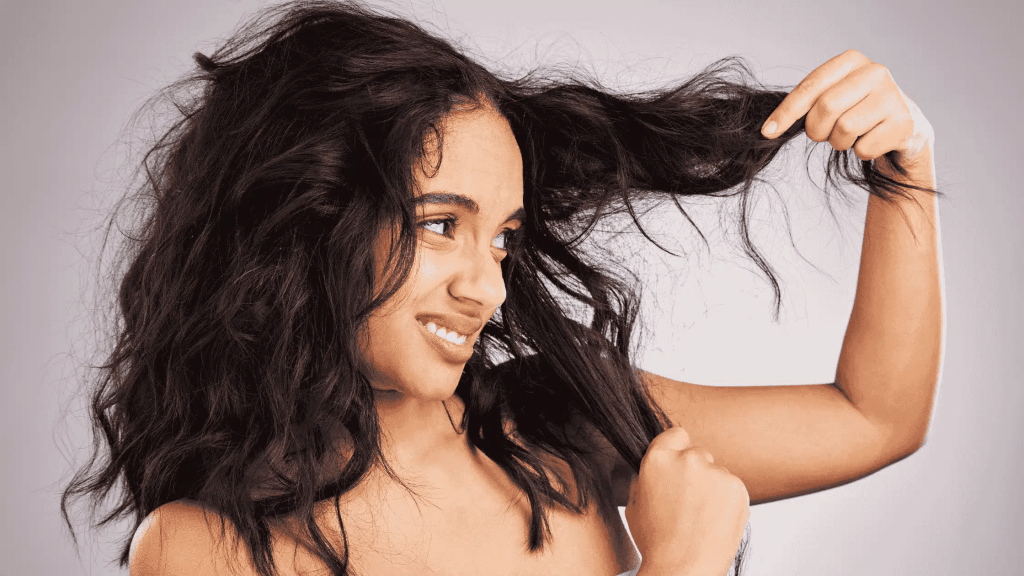
When hair is damaged, the cuticle’s protective scales become lifted or broken, leaving the cortex exposed and vulnerable.
This can result in hair that feels rough, looks dull, and is more prone to breakage.
Damage can occur from:
• Heat styling:
Flat irons, curling irons, and blow dryers can strip moisture from the hair and weaken its structure.
• Chemical treatments:
Hair dye, bleach, and perms alter the structure of the hair shaft, causing it to weaken.
• Environmental factors:
UV rays, pollution, and even hard water can contribute to hair damage.
• Physical stress:
Excessive brushing, tight hairstyles, and rough towel-drying can also lead to breakage.
Understanding how your hair becomes damaged will help you make informed decisions about how to restore its health.
Step 1: Assess the Damage

Before you start repairing your hair, it’s important to assess the type of damage.
Not all hair is created equal, and different hair types and conditions require different approaches.
There are three common types of hair damage:
1. Dryness
Hair that feels brittle, coarse, or lacks shine is often the result of dehydration.
Dry hair can occur due to overexposure to heat styling or harsh chemical treatments that strip natural oils from the scalp and hair shaft.
2. Breakage and Split Ends
Hair that breaks easily or has visible split ends is a sign that the hair shaft has been weakened.
This type of damage is often caused by overprocessing, lack of moisture, or excessive mechanical stress (such as aggressive brushing).
3. Colour Damage
Frequent colouring, especially with bleach, can severely weaken the hair’s structure.
This type of damage often results in hair that feels porous, dry, and weak.
Once you’ve identified the type of damage, you can begin to tailor your hair repair routine.
Advertisment
Step 2: Deep Condition Regularly
Conditioning is essential to restore moisture and repair hair’s integrity.
The key here is deep conditioning, as this goes beyond what regular conditioners do.
Deep conditioners contain higher concentrations of active ingredients that can penetrate the hair shaft, providing much-needed hydration and nutrients.
Why Deep Conditioning Works
When hair is damaged, its ability to retain moisture is compromised.
A deep conditioner works by delivering moisture to the hair, repairing the cuticle layer and making the strands smoother and more manageable.
Look for deep conditioners that contain ingredients such as:
• Physical stress:
Proteins (keratin, silk proteins)
These help rebuild and strengthen the hair structure.
• Natural oils:
(argan, coconut, avocado oil)
These provide moisture, making the hair softer and shinier.
• Humectants:
(glycerin, honey)
These attract moisture from the air and help keep the hair hydrated.
How Often to Deep Condition
For severely damaged hair, aim to deep condition once a week.
If your hair is only mildly damaged, biweekly treatments may suffice. Consistency is key to seeing results.

Hair thinning or hair loss is one of the most common changes women experience during menopause.
The reduction in estrogen means that hair follicles may enter the shedding phase sooner than usual, while others may shrink, reducing the amount of hair that grows.
For many women, this can be a significant source of frustration.
Hair thinning can occur gradually, so it’s important to be vigilant and identify any changes early on.
If you notice more hair on your pillow or in your brush, it may be a sign that your hair is thinning due to hormonal changes.
Which hairstyles are less suitable for fine hair?
Video courtesy of Justin Hickox
Step 3: Trim Regularly to Prevent Further Damage
Regular trims are essential for keeping your hair healthy, especially if you’re dealing with split ends or breakage.
While trimming won’t repair the hair shaft itself, it can stop further damage from spreading.
Why Trimming Matters
Split ends, if left untreated, will continue to travel up the hair shaft, leading to further breakage.
By trimming your hair every 6-8 weeks, you’re removing damaged ends and preventing the problem from worsening.
How Much to Trim
You don’t need to sacrifice length to keep your hair healthy.
A trim of 1/4 to 1/2 inch every 6 to 8 weeks is usually sufficient to maintain healthy ends without losing too much length.
Step 4: Avoid Heat Styling (or Use Heat Sparingly)
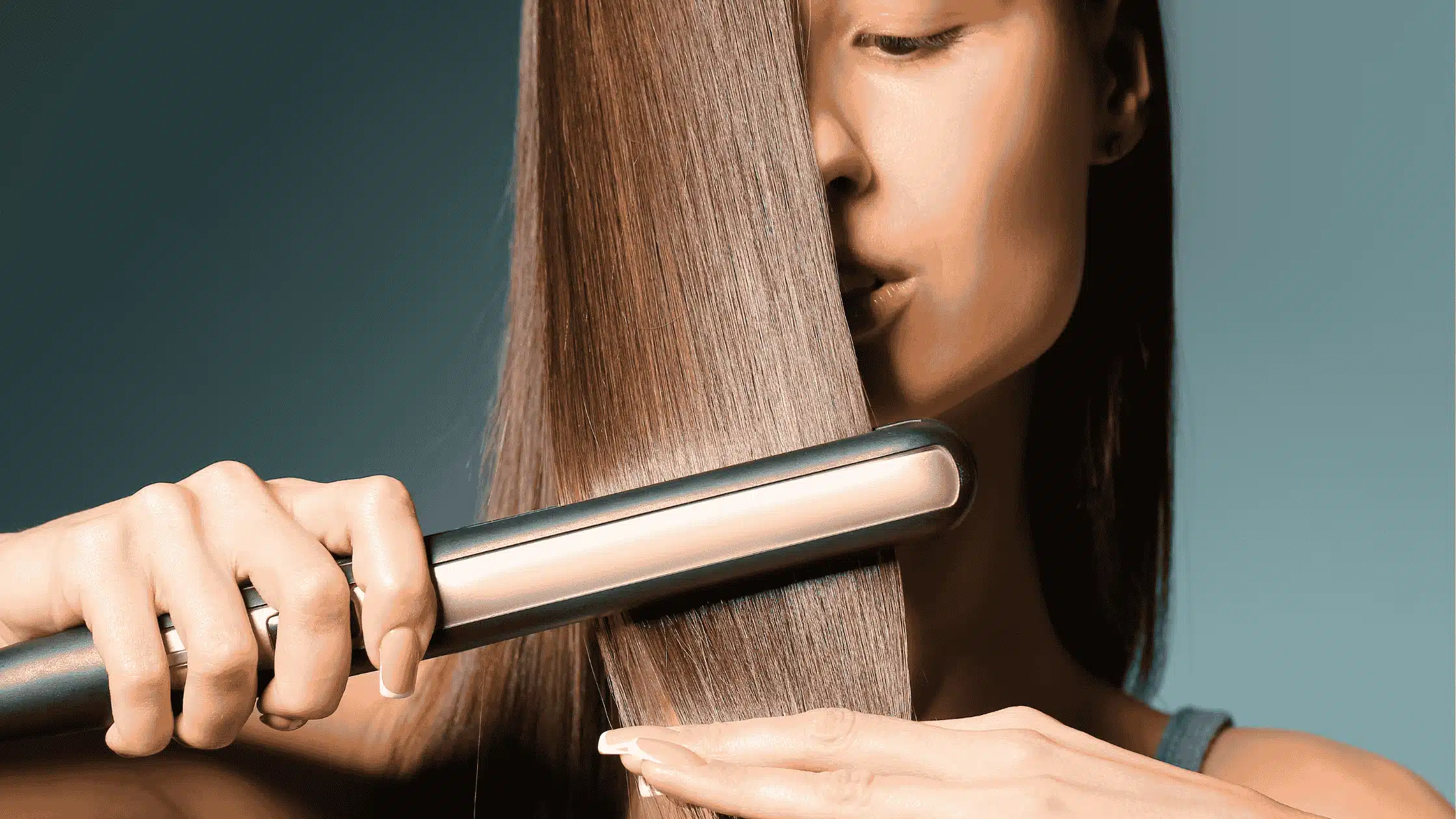
Heat styling tools, like blow dryers, straighteners, and curling irons, can cause serious damage over time.
The intense heat strips moisture from the hair, leaving it dry, brittle, and more prone to breakage.
How to Protect Your Hair
If you can’t avoid heat styling, there are ways to minimize the damage:
1. Use a heat protectant
Always apply a heat protectant spray or serum before using any heat styling tools. These products create a barrier that shields the hair from high temperatures.
2. Choose the lowest heat setting
Use the lowest possible temperature to achieve the desired style. High heat isn’t necessary to achieve smooth, shiny hair.
3. Limit frequency
Try to limit the use of heat styling tools to once or twice a week.
Give your hair time to recover between styling sessions.
Advertisment

Step 5: Incorporate Scalp Care
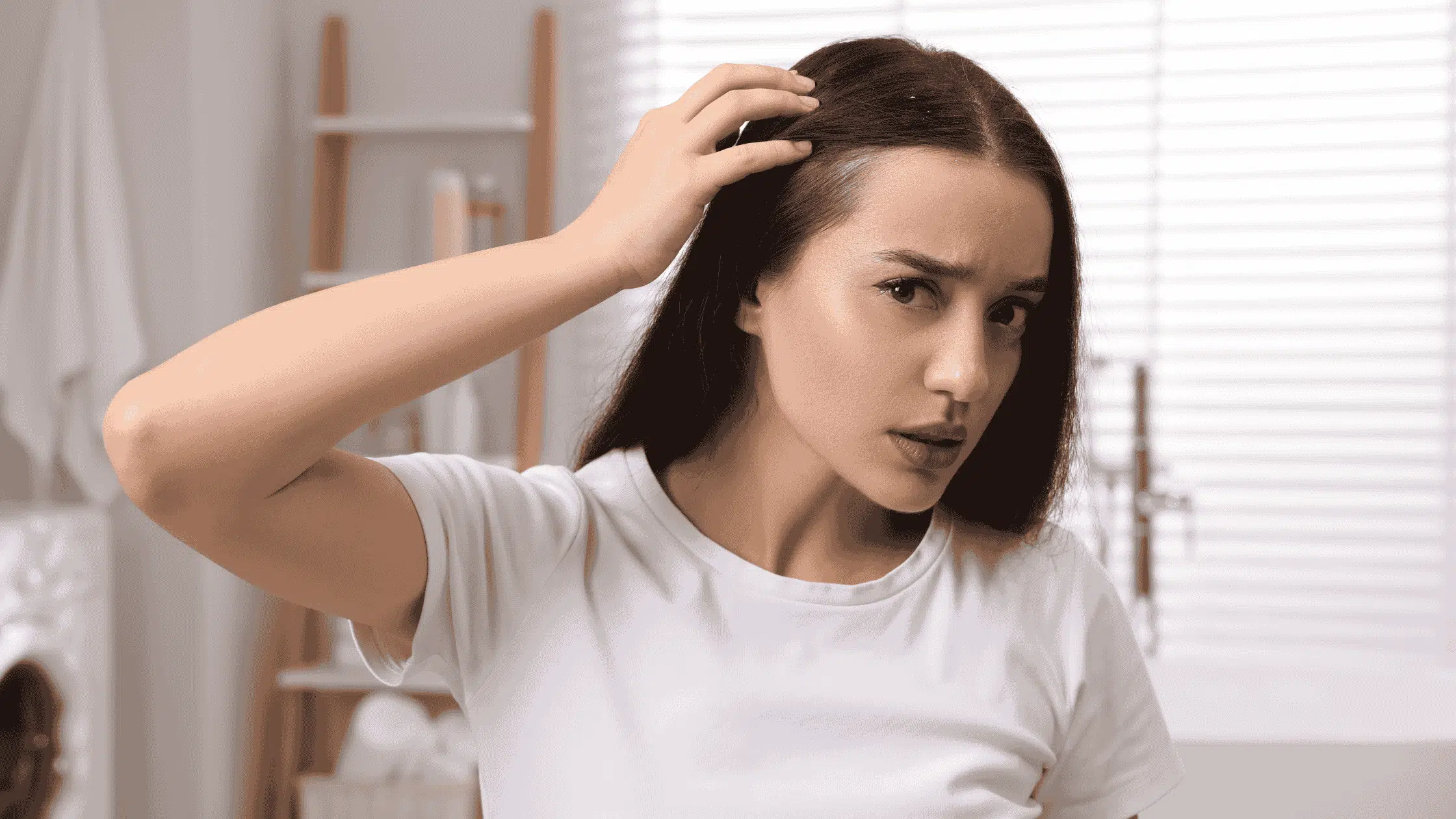
A healthy scalp is essential for healthy hair growth.
Just like the hair on your head needs care, so does the skin beneath it.
An unhealthy scalp can lead to hair that’s weak, thinning, or even prone to dandruff.
Scalp Treatments for Healthy Hair
To keep your scalp in optimal condition, consider these treatments:
1. Scalp massage
Gently massaging your scalp for a few minutes each day can increase blood circulation and promote healthy hair growth.
2. Exfoliate
Use a gentle scalp scrub to remove dead skin cells, product buildup, and excess oils that may clog hair follicles.
3. Use a nourishing oil
Oils like tea tree, peppermint, or rosemary can help maintain scalp health by addressing issues like dryness or dandruff.
Step 6: Protect Your Hair From Environmental Damage

Environmental factors can contribute significantly to hair damage.
UV rays, pollution, and even harsh weather can weaken your strands over time.
How to Protect Your Hair
- Wear a hat – Protect your hair from the sun by wearing a hat or scarf when spending long periods outdoors.
- Use UV-protectant products – Look for hair products that contain UV filters to protect your strands from the sun’s damaging rays.
- Avoid harsh weather – Cold, dry weather can strip moisture from your hair, while humid environments can lead to frizz. Adjust your hair care routine based on the season.
Step 7: Choose the Right Products for Your Hair Type

Using the right products is crucial when repairing damaged hair.
Not all shampoos, conditioners, and treatments are created equal, so it’s important to choose products that cater to your specific needs.
What to Look For
- For dry hair: Look for hydrating shampoos and conditioners with oils or shea butter.
- For colour-treated hair: Choose products designed to protect and nourish coloured hair, often labeled as “colour-safe” or “colour-protecting.”
- For fine or thin hair: Opt for lightweight, volumizing products that won’t weigh the hair down.
Step 8: Be Mindful of Your Hair Care Routine
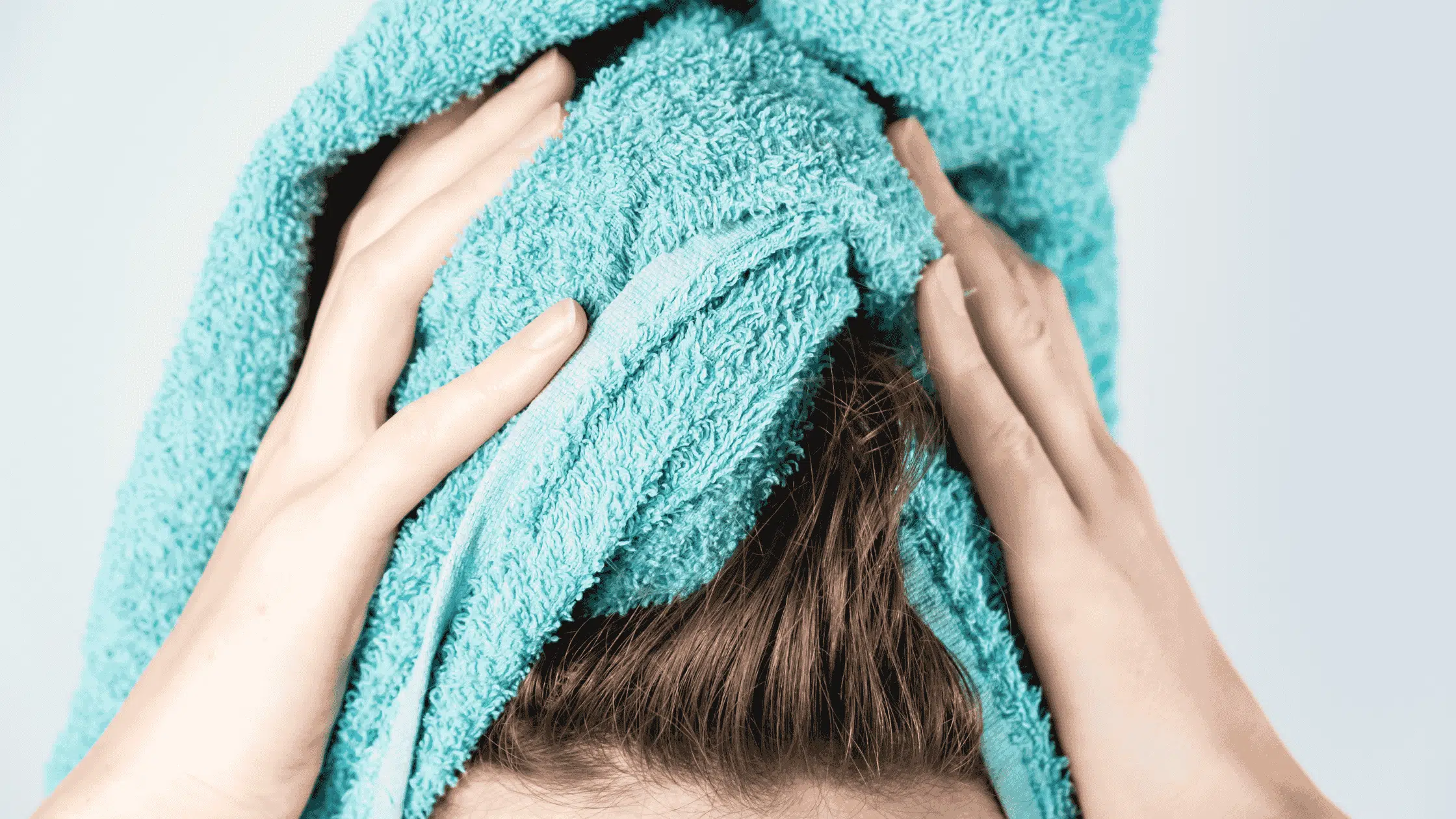
The way you treat your hair daily makes a huge difference in its health.
Simple habits like being gentle when brushing and washing can significantly reduce damage.
Best Practices for Hair Care
- Use a wide-toothed comb – Wet hair is more fragile, so always use a wide-toothed comb to detangle after washing.
- Avoid hot water – Washing hair with hot water can strip away essential oils. Use lukewarm water instead.
- Be gentle when drying – Avoid vigorously rubbing your hair with a towel. Instead, gently blot and squeeze out excess water.
Advertisment

Conclusion
Repairing damaged hair isn’t an overnight process, but with patience and the right approach, you can restore your hair to its healthiest state.
The key is to assess the damage, adopt a repair routine that includes deep conditioning, trims, heat protection, and scalp care, and choose products suited for your hair type.
With consistent care, your hair will gradually regain strength, shine, and elasticity.
Remember, healthy hair begins with healthy habits, so make small changes today to protect and repair your hair for years to come.
Before You Go… Don’t Miss This:
👉 https://hairzglam.com.au/5-best-products-for-dry-damaged-hair/