
Discover which is better
Cheap vs Expensive: Hairdresser Review
So now you know…
👉 Price doesn’t guarantee results
👉 Cheap products can damage your hair
👉 Expensive doesn’t always mean better
Now let’s get practical.
Because this is where most people finally fix their hair.

Know Your Hair Type
(MOST PEOPLE GET THIS WRONG)
If your hair is:
Oily → you need balancing, not stripping
Dry/damaged → you need repair, not heavy oils
Fine → you need lightweight volume, not thick condition
The Three Types of Hair Product Approaches
1. Targeted Treatment Products:
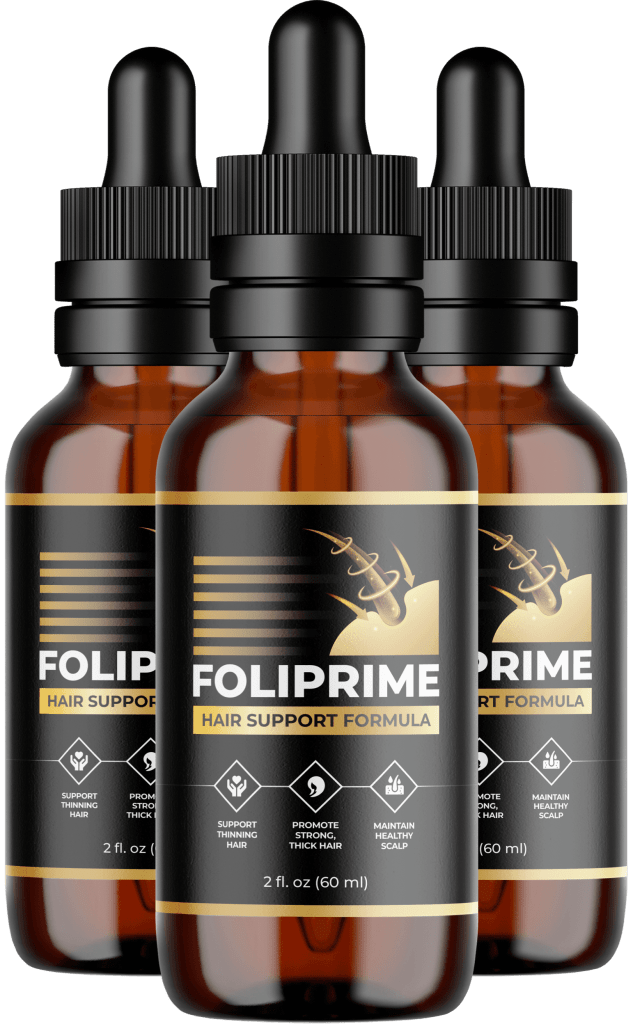
These are designed to support long-term hair improvement by focusing on the underlying causes of thinning. They’re most effective for areas like receding hairlines, crown thinning, and reduced density, and form the foundation of a results-driven routine.
2. Scalp-Focused Cleansing Products:
These help maintain a healthy scalp environment by removing buildup and supporting balance at the root. Ideal for early signs of thinning or ongoing maintenance, they support the conditions needed for stronger, healthier-looking hair.
3. Cosmetic Thickening Products:
These don’t change hair growth, but they instantly improve the appearance of fullness and density. They help reduce the look of fine or flat hair, offering an immediate boost in volume and styling confidence.
Smart Product Strategy
What Actually Matters More Than Price
When choosing between cheap Vs expensive hair products, the real difference isn’t the price — it’s how well they suit your hair’s needs. While high-end options may offer more refined formulas, many affordable products work just as well when chosen correctly. Focus on function over hype by selecting products suited to your hair type and scalp, and stick to a few essentials that support long-term hair health and balance.
Step 1: Ingedients That Actually Matter
Look for:
Proteins (repair damage)
Lightweight hydrators
Scalp-balancing ingredients
Avoid:
Heavy waxy silicones (cheap fillers)
Overly harsh sulfates (in low-quality formulas)
Step 2: Stop Overusing product
More product ≠ better hair.
(This is the secret)
In fact:
👉 It makes hair greasy faster
👉 Causes buildup
👉 Wastes money
Step 3: Mix Cheap + Expensive
Here’s what I tell clients:
👉 Spend on shampoo + treatment
👉 Save on styling products
This gives you:
✔️ clean, healthy scalp
✔️ real repair
✔️ less wasted money
Avoiding Pitfalls
Common Mistakes When Choosing Products
One of the biggest mistakes is assuming expensive automatically means better — or cheap means ineffective. In reality, both can fail if they’re not suited to your hair.
Another common error is relying on one product alone, like shampoo, instead of a balanced routine. Real results come from choosing the right products for your hair’s needs, not just the price tag
If you’re serious about choosing the right product, start here.
Stop Guessing and Start Seeing Real Results
WHAT ACTUALLY WORKED (PROVEN OUTCOMES)
After testing dozens of products…
👉 Some cheap ones performed amazingly
👉 Some expensive ones were not worth it
So instead of guessing…
I’ve put together the exact products that delivered real results.
👉 Skip the trial and error.
➡️ See the exact products that worked:
That's A Wrap...
🚨 So… What Should You Actually Use?
Let’s make this simple.
If your hair is healthy or low-maintenance:
You don’t need to overspend.
👉 A good-quality budget shampoo + conditioner will do the job.
If your hair is:
🎯 Bleached
🎯 Heat damaged
🎯 Frizzy
🎯 Breaking
This is where cheap products fail.
👉 You need bond repair + targeted treatment
This is NOT optional.
What I recommend as a hairdresser:
If I had to choose ONE product for damaged hair:
👉 This is what actually repairs, not just coats the hair
The mistake most people make
They:
❌ Buy cheap shampoo
❌ Expect salon results
👉 That’s why their hair never improves
What to do next:
✅ If your hair is fine → stick to budget
✅ If your hair is damaged → invest in treatment
👉 See the exact products we recommend → HERE